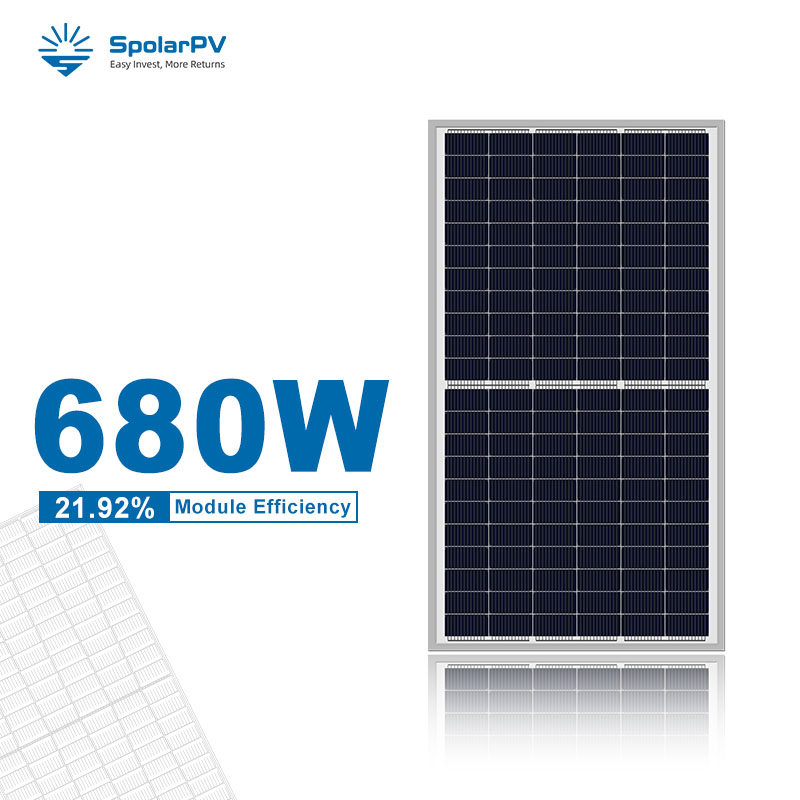
Explosive growth of TOPCon production capacity accelerates P/N technology iteration

2022 is regarded as the first year for the development of N-type battery technology. According to statistics, by the end of 22, TOPCon and HJT’s landed production capacity reached 81GW and 13GW respectively. Considering that there are still about 1GW of xBC shipments in the market, the total shipment of N-type modules has reached about 20GW in 2022, and the proportion of total shipments of N-type modules has reached about 7%.


Among N-type technologies, TOPCon has proven that it has comparable or even better profitability than PERC. During the P-to-N technology iteration window period, traditional photovoltaic manufacturers have aggressively expanded their production capacity to consolidate their market positions. New entrants also hope that Relying on the advantages of no historical burden, the rapid production capacity layout can establish its own market share. As of February 23, it announced that the production capacity of high-efficiency battery technology has exceeded 1100GW, of which more than 850GW of new production capacity chooses TOPCon technology.


TOPCon Development Status


According to InfoLink statistics, the nominal production capacity of TOPCon is expected to reach 477GW by the end of 23, which means that the production capacity of TOPCon batteries by the end of 2023 will be equivalent to the existing PERC battery production capacity. In 2022, only Jinko has a 10GW TOPCon production capacity, but by the end of 2023, more than 17 manufacturers will have a 10GW and above production capacity. In addition, new entrants will also contribute more than 50GW of TOPCon production capacity in 2023.


In terms of efficiency, mainstream TOPCon battery manufacturers all claim that the efficiency is around 25.0%, and further gains of 0.2-0.3% can still be achieved by superimposing SE technology in the future. Look, the real efficiency is still around 24.2%, which is about 1% higher than the efficiency of PERC cells.


In terms of yield rate, the performance of each company is still quite different. Although the leading companies have achieved a level comparable to PERC, the yield rate of most manufacturers is still hovering at 95% or even less than 95%. Cost reduction is the top priority.


In terms of overseas production expansion, Southeast Asia is expected to add 21GW of TOPCon batteries in  2023, and India will also increase 6GW. Among them, TRW's 2GW in Thailand is already in the stage of ramping up its production capacity.


Competition of TOPCon technical route


The TOPCon production capacity in the market in 2023 and before was mainly based on the LPCVD route and the POPAID route dominated by Jolywood. Among them, LPCVD has become the most mainstream technology route because of the largest expansion of Jinko and Jietai. Although the LPCVD route technology is mature and the passivation effect is excellent, the low production capacity and the high cost of quartz parts have prevented the industry from giving up the research on the PECVD route. With the continuous breakthroughs in efficiency and yield of Tongwei and Trina PECVD routes, The potential cost advantage caused by the high production capacity of PECVD has attracted more and more manufacturers to expand production and choose this route.


As of February 2023, InfoLink differentiated based on the 326GW production capacity in production and under construction (equipment bidding completed) according to the Poly deposition route. Among them, the LPCVD route is mainly based on Jinke, Jietai and Longji, accounting for about 42% of the total ; while PECVD is mainly based on Tongwei, Trina, Shangji, Runyang, etc., accounting for about 52%; although the POPAID route has the advantages of fast film forming speed and no winding, the Uptime of plate equipment is relatively low, which leads to the audience Still less. At present, the LPCVD route is trying to upgrade from single-slot and single-insert to single-slot and double-insert to double the production capacity. It is estimated that the competition between the mainstream routes of LPCVD and PECVD will exist for a long time.


Top

From Solar Cells to Solar Module - UE production procedure

The production of photovoltaic modules is a highly sophisticated and complex process, involving multiple stages of automation from the manufacturing of solar cells to the final assembly and testing of solar modules. UE, as a manufacturer, has incorporated advanced technologies and equipment throughout the entire production process to ensure its solar panels exhibit outstanding performance and reliability.


UE's Journey from Solar Cells to Solar Panels

1.Auto Solar Cell Feeding 

All solar cells used in UE's production are sourced from top-tier brands such as TW Solar, Longi, and AIKO Solar,this ensures the quality and reliability of the solar cells, laying a solid foundation for subsequent manufacturing stages.


2.String Welding

At this stage, the solar cells undergo automatic slicing and string welding, using a conductive copper strip (tinned copper tape) for the series connection of solar cells. Infrared technology is employed to detect false welding and broken cells automatically, problematic cells are identified and removed from the production process.


3.Automatic Glass Loading 

Transparent glass is automatically loaded as the outer protective layer for PV modules, ensuring each module possesses a robust and transparent exterior.


4.EVA Cutting & Laying 

EVA (Ethylene Vinyl Acetate) is a crucial material used for encapsulating solar cells. Automatic cutting and laying of EVA in the initial stage ensure its precise placement to protect solar cells and enhance light absorption efficiency.


5.Automatic Typesetting 

Solar modules need to be arranged in well-designed positions to ensure optimal performance. Automatic typesetting efficiently arranges solar cell strings, EVA, and other module parts in appropriate positions. String welding rules are defined, such as 10 cells per string for a 60-cell module, 12 cells per string for a 72-cell module, and 13 cells per string for a 78-cell module.This allows UE to produce solar modules from 100W-720W.


6.Interconnect Bar Welding

During this stage, automatic welding is performed between solar cell strings to ensure smooth flow of electric current and maximize the efficiency of the PV panels.


7.EVA Cutting & Laying 

In the second EVA cutting and laying phase, each solar panel is thoroughly encapsulated, providing additional protection and durability.


8.Back-sheet Cutting & Laying 

The back-sheet, serving as the bottom layer of the solar module, is precisely cut and laid to ensure complete coverage and protection of the module's back.


9.VI-EL Integrated Inspection 

Utilizing a VI device similar to a smart camera, this stage involves a comprehensive inspection for missing corners and obstacles within solar cells. Problematic cells are automatically identified and segregated.


10.Unmanned Lamination 

The lamination process involves bonding and fusing solar cells, glass, EVA, and back-sheet together under specific temperature, pressure, and vacuum conditions.


11.Auto Edge Cutting 

Following lamination, excess EVA is trimmed to ensure a neat appearance.


12.Visual Inspection

Through visual inspection using a dual-sided flipping technique, each solar panel is meticulously examined to identify cracks, defects, or other issues affecting performance.


13.Glue & Framing 

At this stage, the automatic gluing and framing process firmly secures all modules together, creating a robust framework. This enhances the stability and durability of the solar modules.


14.Junction Box Installation

The installation of the junction box involves sealing and potting to ensure no exposed metal, achieving a waterproof rating of IP68 and improving the PV module's weather resistance.


15.Curing 

Solar panels are placed in an automatic curing device to ensure the solidification of adhesives and other materials under specific temperature and time conditions, maintaining the stability of their structure.


16.Frame Edge Polishing

Automated edge polishing involves refining and smoothing the edges of the solar module's frame for an enhanced appearance.


17.Cleaning

Cleaning is performed to ensure there is no contamination on the module's surface, maintaining transparency and photovoltaic efficiency.


18.Insulation Test 

Insulation testing ensures there is no leakage, preventing lightning breakdown and potential electric shocks.


19.Withstand Voltage Test 

This test is conducted to verify the solar panel's ability to withstand voltage under normal operating conditions, ensuring safety and reliability.


20.Final EL Test 

A secondary Electroluminescence (EL) test is performed to conduct a final assessment of the solar panel's ultimate performance, ensuring all solar cell strings and modules meet design requirements and function properly.


21.Final VI 

The final visual inspection ensures that the module's appearance, dimensions, and identifiers align with quality standards.


22.Packaging 

Finally, solar panels are carefully packaged to prevent damage during transportation and installation, ensuring they reach customers or end-users in pristine condition.


This comprehensive manufacturing process reflects UE's commitment to producing high-quality solar products. Through advanced manufacturing processes and quality control measures, UE actively contributes to the promotion of clean energy and sustainable development. This production journey not only showcases the integration of technological innovation and efficient production but also demonstrates an unwavering dedication to product quality and reliability.

Choose UE, your trust-worthy PV supplier, delivering Safe and Secure Energy Solutions.

United Energy Co.,Ltd Sales Engineer

United Energy Co.,Ltd
Add:No. 389-399, Jinzhai Road, Luyang District, Hefei City, Anhui Province
Mobile/Whatsapp/Wechat: +86 189 0569 0996
Email: info@ue-pv.com Web: www.unitedpvsolar.com

Top

Introduction to BC Solar Panels

BC solar panels, or Back-Contact solar cells, represent a significant advancement in photovoltaic technology. By relocating the metal grid lines from the front to the back of the cell, BC solar panels reduce sunlight obstruction and enhance conversion efficiency. This innovation offers several benefits, including high conversion efficiency, greater short-circuit current, high fill factor, improved resistance to degradation, and an aesthetically pleasing appearance. Despite their complex manufacturing process and higher costs, BC solar panels hold promising potential in the solar energy market.

BC solar panels


Types of BC Solar Cells

BC solar cells encompass various types, including Interdigitated Back Contact (IBC), Tunnel Oxide Passivated Contact (TBC), Heterojunction with Intrinsic Thin-layer (HBC), and Hybrid Passivated Back Contact (HPBC). Each type combines the basic BC technology with other advancements to optimize performance:

1. IBC Cells: The classic IBC cells feature a design where the emitter and back surface field (BSF) are alternately arranged on the cell's back, minimizing light obstruction and maximizing efficiency. SunPower's Maxeon brand is a leading example, with a production capacity of several gigawatts and significant market share in the U.S.

2. TBC Cells: Combining TOPCon and IBC technologies, TBC cells utilize N-type silicon substrates and offer higher conversion efficiencies. Leading TOPCon companies are preparing to release TBC products, with anticipated power outputs of 600-610 watts.

3. HBC Cells: These cells merge HJT and IBC technologies, using intrinsic amorphous silicon films for passivation, enhancing surface defect reduction while maintaining the unobstructed light absorption advantage of IBC cells.

4. HPBC Cells: Developed by companies like Longi, HPBC cells use P-type silicon substrates, offering a cost-effective solution with impressive efficiency and aesthetic qualities.


Advantages of BC Solar Panels

BC solar panels offer several distinct advantages over traditional solar cells:

1. Enhanced Efficiency: By eliminating front-side grid lines, BC solar panels increase the area available for sunlight absorption, boosting short-circuit current by approximately 7% compared to conventional cells.

2. Flexible and Robust Design: The back-side wiring of BC panels allows for simpler, more flexible encapsulation, improving resistance to micro-cracking and other forms of stress. For instance, Longi's HPBC cells show a 48% reduction in edge stress compared to traditional cells.

3. Aesthetic Appeal: With a uniform, grid-free front surface, BC solar panels offer a more visually appealing solution for residential and commercial installations, making them particularly attractive for high-end distributed markets.


Market Potential and Future Outlook

As PERC cell technology approaches its efficiency limits, the market share for N-type technologies like TOPCon and BC cells is expanding. Currently, BC cells are in the early stages of market adoption but are gaining traction due to their efficiency and distinct advantages. The key challenge for BC technology is reducing production costs. Companies like Aiko Solar aim to achieve cost parity with TOPCon cells by mid-2024, which would significantly enhance the competitiveness of BC panels.

BC solar panels are well-suited for applications where efficiency and aesthetics are paramount, such as in vehicles, ships, satellites, and buildings with limited load-bearing capacity. If manufacturing costs decrease, BC panels could dominate the rooftop solar market and beyond. Predictions suggest that the market share of BC cells could rise from the current 1-3% to 10-15% by 2025, with an annual production scale expansion of about 40GW. Some forecasts even indicate that BC technology could capture 30-40% of the market, coexisting with other technologies like TOPCon, HJT, and PERC.


Conclusion

BC solar panels represent a promising advancement in photovoltaic technology, offering superior efficiency, flexibility, and aesthetic appeal. While the high manufacturing costs pose a challenge, ongoing efforts to reduce these costs could make BC panels a leading solution in the global solar market. As the demand for high-efficiency, visually appealing solar solutions grows, BC technology is poised to play a crucial role in the future energy landscape.

Top

Is it worth getting solar panels ?


Whether investing in a solar energy system is worthwhile varies from person to person. With decades of experience in the industry, UE aims to help you make an informed decision by highlighting the pros and cons.


is it worth getting solar panels ?Whether Solar Panels are a Worthwhile lnvestment

Advantages:

Renewable Energy: Solar energy's most attractive feature is its infinite and sustainable nature, providing clean energy without depleting finite resources and contributing to the protection of our planet.


Diverse Applications: Solar panel systems can be widely used for both electricity generation and heating. It can meet household electricity needs and be utilized in various scenarios like solar streetlights, solar water pumps, and solar cameras. Installation options range from rooftops to bodies of water, making it versatile for diverse energy needs.


Cost-effectiveness: Despite the initial high investment, solar energy proves cost-effective in the long run. Research indicates it's one of the most economical forms of electricity, with solar modules having a lifespan of up to 30 years, leading to substantial long-term savings.


Low Maintenance Costs: Thanks to technological innovations, maintenance is straightforward. Occasional surface cleaning is the only proactive maintenance required, and UE provides an extended 30-year warranty, ensuring little to no cost for repairs.


Energy Independence: PV modules allow individuals and businesses to generate their own power, reducing dependence on the grid and achieving complete energy independence. This helps counteract rising electricity prices and geopolitical risks.


Disadvantages:

Cost and Initial Investment: The upfront costs of installation may pose a barrier for some individuals, but advancements in technology and government incentives are making PV panels more affordable.


Weather Dependency: Solar power systems rely on sunlight, leading to inconsistent energy production during cloudy or dark conditions. Areas with limited sunlight may need to consider alternative energy sources.


Storage Costs: Storing electricity at home may require investment in high-capacity lithium batteries, which degrade over time and need replacement every ten years, adding to ongoing costs.


Fixed Position: Once installed, solar panels cannot be moved. The inability to take the solar energy system when property ownership changes could be a concern, but it can contribute to an increase in property value.


Important Note:

Thoroughly researching the effectiveness of solar panels in your region is crucial before making a purchase. Factors such as energy costs, sunlight exposure, panel degradation, and applicable regulations can significantly impact the return on investment.


In summary, understanding the pros and cons of solar panels makes the initial investment likely to be worthwhile in the long run. With global energy market instability and increasing geopolitical risks, achieving energy independence remains valuable. Controlling energy costs and becoming a producer and consumer of your own energy is a significant asset, whose value surpasses potential negative impacts.


As experts in the solar energy field, UE is ready to answer your questions and provide the latest industry insights. Feel free to contact us anytime.

United Energy Co.,Ltd

Add:No. 389-399, Jinzhai Road, Luyang District, Hefei City, Anhui Province

Mobile/Whatsapp/Wechat: +86 189 0569 0996

Email: info@ue-pv.com Web: www.unitedpvsolar.com

Top

Is the Sodium Battery Still Market Competitive?

With the rapid advancements in battery technology, the sodium battery has emerged as a notable alternative to the well-established lithium battery. However, recent fluctuations in lithium carbonate prices have raised questions about the market competitiveness of sodium batteries. Despite these challenges, industry experts maintain that sodium batteries still hold significant potential due to their cost advantages and unique properties.


Cost Advantages of Sodium Batteries

Sodium batteries, as an alternative to lithium batteries, boast cost advantages, making them competitive in the market. Although the significant decrease in lithium battery raw material prices has somewhat hindered the commercialization of sodium batteries, their theoretical cost is still 30%-40% lower than that of lithium batteries. Additionally, sodium batteries have unique advantages in charge/discharge rate, high and low-temperature performance, and safety. With the mass production of related products, the future of sodium batteries remains promising.


Development Trend of Sodium Batteries

The development of sodium batteries started almost simultaneously with lithium batteries, and their charge/discharge mechanisms are similar. However, sodium batteries once faced technological bottlenecks, causing a halt in progress until around 2010 when breakthroughs in anode and cathode materials accelerated academic research and industrial attempts. 2023 has been dubbed the "Year of the Sodium Battery," with a complete industrial chain forming. Currently, sodium batteries are applied in two-wheeled electric vehicles, energy storage, data centers, communication base stations, underground coal mines, and engineering vehicles. In early 2024, sodium batteries showed strong growth momentum, with over 20 signed, recorded, and commenced projects involving battery cells, anode, and cathode materials, totaling nearly 40 billion RMB in investments.


Unique Advantages of Sodium Batteries

In recent years, the significant fluctuations in lithium battery raw material prices have severely impacted the industry's healthy development. In contrast, sodium battery raw materials are abundant, widely distributed, and self-controllable, effectively mitigating or eliminating the supply chain risks and impacts caused by the uneven distribution and price volatility of lithium resources. Sodium batteries are also safer than lithium batteries; they release less flammable gas under high temperature and overcharge conditions. Additionally, sodium batteries perform well in low-temperature charge/discharge scenarios, with a capacity retention rate above 90% at -20°C.


Long-Term Prospects of Sodium Batteries

Industry experts point out that rapidly reducing costs and turning the theoretical cost advantage of sodium batteries into a reality is crucial for industry development. The industrialization process of sodium batteries will not fundamentally change due to lithium carbonate price fluctuations. The anode materials used in sodium batteries, such as copper, aluminum, iron, and sodium, are inexpensive, and the anode materials processed from ordinary anthracite are much cheaper than the graphite used in lithium batteries. As production capacity increases and the industrial chain matures, the cost of sodium batteries will rapidly decline.

In the future, sodium batteries will develop towards high energy, low cost, high safety, and high intelligence. By controlling the use of precious metal elements in layered oxide cathodes, developing low-cost manganese-based materials, simplifying hard carbon anode processes, selecting suitable production materials, and accelerating research on battery performance in low-concentration electrolytes, production costs can be reduced through comprehensive process optimization.

In future market competition, sodium batteries can supplement and replace the shortcomings of lithium iron phosphate batteries in the upper market and gradually replace lead-acid batteries in the lower market. It is expected that by around 2028, the sodium battery industry will mature, especially in the low-speed electric vehicle field, with market shares of lead-acid batteries, sodium batteries, and lithium batteries being 40%, 45%, and 15%, respectively.


Conclusion

In summary, although lithium carbonate price fluctuations have impacted the commercialization progress of sodium batteries, they remain competitive in the market. With their cost advantages, safety, and low-temperature performance, the future of sodium batteries remains promising with the mass production of related products. In future market competition, sodium batteries are expected to play an important role.

Top

PERC cell technology explained

1. What does PERC mean?
Literally, it stands for Passivated Emitter and Rear Cell. You also find the term Passivated Emitter and Rear Contact.


2. What is it?
PERC cell technology defines a solar cell architecture that differs from the standard cell architecture that has been in use for three decades and that is usually featured in all photovoltaic manuals.


As of today, the vast majority of crystalline solar cells produced follow the structure presented hereunder.


From top to rear:
– screen printed silver paste to form the contacts
– Anti Reflective Coating
– phosphorous diffused, boron doped silicon wafers that form the
P-N junction
– aluminum Back Surface Field (Al-BSF)
– screen printed aluminum paste

The objective of scientists being to get the most of electrons out of the solar cells, the PERC architecture essentially enables to improve light capture near the rear surface and to optimize electrons capture.                       

3. PERC and PERC?

Under the acronym PERC, we actually also find the solar cells technologies named PERL, PERT, PERF. Even if initially not considered in the nomenclature of PERC, they are now usually considered as being part of the same family


4. What’s the interest of the technology?
The main advantage of the PERC cell structure is that it enables manufacturers to achieve higher efficiencies than with standard solar cells which are reaching their physical limits. With the current state of the technology, it is possible to achieve up to 1% absolute gain in efficiency. While there are more steps in the manufacturing process, the gain in efficiency enables costs decrease, also at the system level. We should always keep in mind that the Holy Grail is to improve efficiency while reducing costs at the same time. And solar cell efficiency improvement is a contributor to the reduction of costs.
So this cell architecture is considered like presenting one of the best potential for producing high efficiency solar panels at competitive prices.


5. Is it new?
The PERC architecture is actually not new at all. First evocation of the technology traces back at the University of New South Wales in Australia in 1983 and the first paper [1] has been published in 1989. Because this concept of cell offered the best potential to reach high efficiency, the UNSW used it to achieve its multiple world records of efficiency that it brought close to 25% [2]. The two others competing technologies were the Back Contact technology, popularized by Sunpower, and the HIT technology commercialized by Panasonic.


6. Why now?
It is interesting to underline that the standard solar cell architecture has been in use since the middle of the 80’s. Since then, the technology went through incremental improvement, with better pastes to form front contacts, thinner contact fingers, optimized anti reflective coating… It took almost 30 years to the industry to almost catch up with the efficiencies achieved at the research level.
The following graph sums up the historic quest of the solar industry to improve its technology.


As stated earlier, there is always a gap between the performances achieved at the research level and what is achieved in mass production at the industrial level. Thus if PERC cell technology emerges now, it is mainly for economic reasons. Indeed, industry must always compromise to achieve economically and technically viable concepts. During 30 years, the steady incremental improvements brought to the standard cell technology were economically and technically feasible. Now that the standard concept achieves its limits and that  technical know-how is available along the value chain to introduce PERC technology, it can constitute a new viable platform to manufacture high power and high efficiency solar panels.
As anticipated by ITRPV, a body that gathers a set of manufacturers at the different steps of the value chain and that works on technology trends, the PERC technology will progressively take the biggest market share. Because this is the sense of history in the PV industry to get better and better, sooner or later, most of the panels installed will feature this technology.


7. Does PERC technology intrinsically feature better weak light performance?

In parallel to the development of the PERC technology, we have seen appearing on datasheets arguments related to improved performance under weak light. It is then legitimate to wonder if those two facts are related. While it is true that you will find PERC based modules with improved weak light performance, it has nothing to do intrinsically with the PERC cell technology. All the cell technologies have the potential to feature an improved performance under low light conditions, and we will address this topic in a next blog post.


8. Challenges with the technology
Like for any new technology, the challenge behind the PERC technology is to be able to scale up the technology while controlling the process. At United Energy, we always value know-how and there is definitely to be able to manufacture these cells. Among the challenges related to PERC technology, two are more susceptible to impact the owner of a panel equipped with this technology.
The first one is related to Light Induced Degradation. LID is this effect that causes a module to lose a percentage of its power after first exposition to light. It explains why manufacturers with linear warranties never guarantee 100% of the power after the first year. Due to the higher doping levels commonly applied in PERC cells, the negative effect due to LID is increased with PERC technology compared to standard cells with an Al-BSF.
There is also a topic around Potential Induced Degradation. There have been numerous papers and articles raising this question, and especially for polycrystalline PERC. It is not trivial insofar as this kind of defect can completely damage the performances of a power plant. The best recommendation we can do regarding this issue is to make sure that the modules you supply are granted the certificate according to IEC TS 62804 for PID resistance and that there is trust in the consistence the manufacturer applies to its material selection and processes to ensure its production is PID free.


Sources

[1]: A.W.Blakers, A.Wang, A.M.Milne, J.Zhao, M.A.Green, 22.8%Efficient Silicon Solar Cell, Appl. Phys. Lett. 55 (1989) 1363–1365.
[2]: Zhao J; Wang A; Keevers MJ; Green MA, 2000, High efficiency PERT cells on SEH p-type Si substrates and PERT cells on SHE n-type Si substrates

[3]: M.A. Green, The Passivated Emitter and Rear Cell(PERC):From conception to mass production, Solar Energy Materials & Solar Cells 143 (2015) 190–197

[4]: M.A. Green, Forty Years of Photovoltaic Research at UNSW, Journal and Proceedings of the Royal Society of New South Wales, vol. 148, nos. 455 & 456, pp. 2-14

Top

Revolutionizing the Solar Market Introducing Standardized Home Solar Systems

Introducing Standardized Home Solar Systems

In the present dynamism of market environments, it was really tough for buyers, spread across the globe, to source all-inclusive, standardized home solar energy systems.


No single manufacturer offers a complete solution, and therefore the user has to source solar panels, inverters, mounting structures, and wiring separately, usually with a custom design for each of them. This fragmented approach has resulted in frustration among purchasers and end-users. But our company is proud to bring to this industry a pioneering solution to this broad dilemma. We have developed a series of standardized home-based photovoltaic systems targeting the specific needs of the market.


The 5kW, 10kW, 15kW, 20kW, and 30kW solar Home Photovoltaic Systems they designed have met the needs of the vast majority of solar installation companies and end consumers, and have received widespread praise.


Key Features of Our Standardized Home PV Systems:


The Integrated Design: Our solutions, which are systems of solar panels, inverters, and complete mounting structures—all with all necessary wiring in one integrated solution without separate procurements and efforts for custom design.


Modular: Each system was designed with an individual one, allowing ready scaling and customization to different household sizes and their energy needs.


Standardized Configurations: Our standardized configurations are present for Off Grid, Hybrid, and Grid-Tied systems. It ensures that every variety in energy requirements and grid connectivity options are compatible.


Plug-and-Play Installation: The technology of plug-and-play installation with simple, clear installation instructions by using standardized systems. No special knowledge or skills required for exact homeowners or installers.


Quality assurance: Each part used in our standardized systems goes through an unsurpassed quality check for reliability, performance, and durability.


Benefits for Purchasers and Users:


Simplified Procurement: Our standardized approach ensures that Procurement is simplified, hence saving time and energy of the customers in the form of a one-stop solution for their solar energy needs. Cost Savings: As a user, you would realize cost savings flowing out of the need elimination for custom design, separate sourcing of components, and taking into account other traditional piecemeal approaches by virtue of our systems being standardized.


Faster Deployment: With plug-and-play installation, the systems we deliver easily deploy for faster, more efficient deployment with the least downtime for homeowners.


Scalability and Flexibility: The modules are designed in such a way that, with time, the system can be expanded or changed in order to meet the needs of changing energy requirements by homeowners or changes in case of any future upgrades.


Standardized configuration:Quality-test of individual components. These come with quality-tested components and standardized configurations to ensure that users receive the reliability and performance required by their business, topped with comprehensive warranties, together with after-sales support that would give peace of mind.


In the end, these standardized photovoltaic home systems, simple and low-cost, represent a new paradigm in the solar energy market and a reliable solution for the alternatives sought by homeowners or installers. We make purchasing simple, installation hassle-free, and quality performance guaranteed, so that consumers can adopt solar with ease and comfort while taking them down the pathway for sustainable energy futures.


United Energy Co.,Ltd
Add:No. 389-399, Jinzhai Road, Luyang District, Hefei City, Anhui Province
Mobile/Whatsapp/Wechat: +86 189 0569 0996
Email: info@ue-pv.com Web: www.ue-pv.com

Top

Shingled Solar Panels VS. Solar Tiles VS. Standard Solar Panels

When it comes to powering your home with solar energy, standard photovoltaic (PV) solar modules are a common choice. However, the cutting-edge technology of shingled solar PV panels offers an innovative alternative. It's important to note that shingled solar panels are distinct from solar tiles, despite their similar names and purposes. This article will explore the differences between shingled solar panels and solar tiles, compare shingled solar panels with conventional modules, and highlight the advantages of this technology to help you determine if it's the right option for you.

 Shingled Solar Panels Solar Tiles Standard Solar Panels


Shingled Solar Panels vs. Solar Tiles(Solar Shingles)


Shingled Solar Panels:

Shingled solar panels utilize laser slicing technology to cut solar cells into multiple strips and interconnect them with electrically conductive adhesive. This optimization of component structure achieves zero spacing between cells, allowing for a 5% increase in cell placement compared to other types of modules, effectively enhancing the solar panel's conversion efficiency.


Solar Tiles:

Solar tiles serve as both a source of electricity and structural support for your roof, integrating seamlessly into building aesthetics. However, while aesthetically pleasing, their conversion efficiency typically ranges from 15% to 20%, lower than shingled solar panels which can reach up to 23.5%. Moreover, solar tiles are priced higher, ranging from $0.8 to $2 per watt, compared to shingled solar panels which range from $0.18 to $0.25 per watt.


Shingled Solar Panels vs. Standard Solar Panels


Interconnection of Cells:

Conventional modules rely on copper busbars or ribbons to connect cells, resulting in gaps between them. In contrast, shingled modules eliminate these gaps by assembling cells into strips with electrically conductive adhesive. This method enhances efficiency and durability, with shingled panels boasting efficiency rates between 22% to 23.5%.


Panel Efficiency:

Standard solar panels typically achieve efficiencies ranging from 15% to 22.6%, while shingled panels surpass this range, reaching efficiencies between 22% to 23.5%. This higher efficiency is complemented by shingling technology's compatibility with glass-glass and bifacial techniques, further improving light absorption and minimizing losses.


Mechanical Performance:

Shingled solar panels demonstrate superior mechanical strength against external forces like wind and snow compared to conventional panels. They maintain structural integrity without micro-cracks or power attenuation even after rigorous load testing, ensuring long-term reliability.


Aesthetics:

Shingled solar cells offer a sleek, all-black appearance by eliminating visible ribbons and busbars, enhancing the overall design of buildings.


Advantages of Shingled Solar Panels


Higher Power Density:

Shingled solar panels maximize power production per square meter, utilizing the entire effective area without gaps, leading to increased energy output in less space.


Lower Energy Loss:

Parallel wiring of shingled solar cells minimizes the impact of shading and reduces energy losses compared to series-wired conventional cells. Additionally, lower ohmic losses contribute to improved performance.


More Aesthetic:

The sleek design of shingled panels enhances the visual appeal of homes, offering a modern and stylish alternative to conventional modules.


More Reliable:

Shingled panels exhibit robust performance, resisting shading, mechanical stress, and low current operation, ensuring consistent and dependable energy production.


Are Shingled Solar Panels Right for You?


Shingled solar panels are an innovative choice, particularly suitable for residential applications. As manufacturers adopt this technology, prices are expected to decrease, making them increasingly accessible. If you prioritize cutting-edge technology, enhanced power production, efficiency, reliability, and aesthetics, shingled solar panels are worth considering.


Less Expensive:

Compared to solar tiles, shingled solar panels offer a more cost-effective solution, both in terms of manufacturing and installation.


Easier Maintenance:

Shingled panels require minimal maintenance, primarily periodic cleaning, offering convenience and ease of ownership compared to solar tiles.


Conclusion


Shingled solar panels represent a promising advancement in solar technology, offering higher efficiency, improved aesthetics, and greater reliability. As the market expands and prices decrease, they become an attractive option for homeowners seeking efficient and stylish solar solutions.


Top

The Evolution and Future Trends of the Energy Storage Industry


energy storage system


Energy storage system is a fundamental pillar for the advancement of new energy sources. Utilizing renewable resources such as wind and solar power showcases significant variability in generation, presenting challenges in maintaining the delicate balance between power supply and demand essential for grid security. Consequently, the integration of energy storage emerges as a pivotal solution to flexibly regulate the energy landscape.


Electricity, with its instantaneous consumption, necessitates precise matching between generation and consumption to uphold grid stability. Projections from the EIA indicate that by 2050, wind and solar power will constitute 72% of renewable energy generation, nearly doubling their share from 2020. Unlike traditional fossil fuel sources with robust adjustability, wind and solar power exhibit characteristics such as low inertia, low damping, and weak voltage support, leading to significant fluctuations that complicate the balancing act between generation and consumption. Consequently, surplus energy often goes to waste, resulting in phenomena like "curtailment." In 2023, China alone witnessed over 300 billion kilowatt-hours of wind and solar power curtailment, valued at over 100 billion yuan. Energy storage deployment offers a perfect remedy to this issue: excess power during peak generation periods can be stored, and stored energy can be released during peak consumption periods, ensuring real-time energy matching and grid stability.


Among various energy storage technologies, lithium-ion battery storage leads in commercialization. Representing the highest proportion of modern energy storage solutions, electrochemical storage systems based on lithium-ion batteries consist of battery packs, Battery Management Systems (BMS), Energy Management Systems (EMS), Energy Storage Converters (PCS), and other electrical components. Battery packs serve as the primary energy storage units, while BMS monitors, evaluates, protects, and balances batteries. EMS handles data collection, network monitoring, and energy scheduling, while PCS enables bidirectional conversion between AC and DC, controlling battery charging and discharging processes. With battery costs accounting for over 60% of the overall cost structure, and PCS costs around 10%, lithium-ion battery storage has established itself as the most mainstream and mature energy storage technology.


Lithium-ion battery storage can be categorized into lithium iron phosphate (LFP) and ternary lithium battery systems. LFP batteries, characterized by their safety, excellent low-temperature performance, good cycle life, and relatively lower cost, represent the primary technical route for lithium battery energy storage in China. Meanwhile, ternary lithium batteries, known for their high energy density, small footprint, and early development advantages, still maintain a significant market share in regions like Europe and the United States.


The global energy storage landscape is witnessing a surge in utility-scale deployments in China and the United States, alongside residential-scale installations in Europe. In 2022, the global energy storage market reached 50GWh, with the United States, Europe, the Middle East, and Africa (EMEA), and China accounting for significant shares. By 2026, these proportions are expected to shift, with the United States, China, and EMEA emerging as the leading contributors.


In conclusion, the energy storage industry is pivotal for addressing the intermittency of renewable energy sources and ensuring grid stability. As lithium-ion battery technology continues to evolve and costs decline, energy storage solutions are poised to play an increasingly significant role in shaping a sustainable and reliable energy future.


Top

The Future of Battery Energy Storage Systems

In recent years, Battery Energy Storage Systems (BESS) have become a core driver of the global energy transition. According to recent research reports by the International Energy Agency (IEA) and Bloomberg New Energy Finance (BloombergNEF), global investments in battery energy storage systems reached an all-time high in 2023, with deployment rates hitting unprecedented growth. This trend not only reflects the market's strong demand for clean energy technologies but also highlights the crucial role that battery storage will play in future energy systems.


Rapid Growth in Global Investment and Deployment

Both the IEA's "Special Report on Battery Storage and Energy Security" and BloombergNEF's "Global Energy Storage Outlook" report highlight that global investment in battery energy storage systems in 2023 exceeded any previous year. The IEA report states that the total installed capacity of various energy storage systems worldwide in 2023 was 42GW, indicating that battery energy storage systems received the most investment among all energy sector technologies. Meanwhile, BloombergNEF estimates that the global deployment of energy storage systems (excluding pumped hydro storage) in 2023 was 44GW/96GWh, almost three times the scale of 2022. It is projected that the global addition of energy storage systems will grow by 60% in 2024, reaching 67GW/155GWh. By the end of 2030, the compound annual growth rate (CAGR) of the energy storage market will be 21%.

This growth rate means that by 2030, the global deployment of new energy storage systems will reach 137GW/445GWh, with cumulative deployment hitting 782GW/2205GWh. The growth rate of installed energy storage systems will far outpace that of solar and wind power installations, with BloombergNEF forecasting compound annual growth rates of 8.9% and 6.6% respectively for solar and wind power from 2024 to 2030.


Regional Market Dominance

By 2030, China and the Asia-Pacific region will dominate the global energy storage market. BloombergNEF notes that the continued decline in the cost of battery energy storage systems is a key factor driving rapid deployment. As of February 2024, the average cost of a 2-hour duration battery energy storage system operating in China had dropped to $115/kWh, a 43% decrease compared to the same period last year.

Driven by the Chinese market, the Asia-Pacific region will account for half of the world's new energy storage systems. The EMEA region (Europe, Middle East, and Africa) will see its market share rise from 11% in 2023 to 19% by 2030, while the Americas' market share will drop from 28% in 2024 to 19% in 2030. The United States will become the world's second-largest energy storage market, adding 7.4GW/22GWh in 2023, with a cumulative deployment of 134GW/484GWh expected by 2030. Germany will emerge as the third-largest energy storage market, with cumulative deployments reaching 62GW/109GWh by 2030.


Power and Transportation: Twin Pillars of Decarbonization

Battery energy storage systems contribute significantly to the global energy transition, impacting not only the power sector but also the transportation sector. IEA Executive Director Fatih Birol emphasizes that the power and transportation industries are critical to achieving energy transition and limiting global warming. Since 2010, the cost of lithium-ion batteries has decreased by approximately 90%, with higher energy density and longer lifespan making them dominant in electric vehicles and battery energy storage systems.

Despite the ubiquity of batteries in modern life, the energy sector, including electric vehicles and battery energy storage systems, currently accounts for 90% of lithium-ion battery demand, up from about 50% in 2016. Battery prices have fallen from $1400/kWh in 2010 to below $140/kWh in 2023, providing strong support for decarbonizing the power and transportation sectors.


Despite the rapid rise of battery energy storage technology, its further development still requires policy support. BloombergNEF points out that most leading energy storage markets have set deployment targets, and government subsidies and policy frameworks are crucial for expanding battery energy storage system deployment. The IEA report also notes that while battery energy storage systems are already cost-competitive compared to coal power plants in India, further cost reductions are needed to scale up deployments.

Moreover, diversifying the battery supply chain is vital. Currently, global battery production and supply chains depend on a few countries, posing potential risks. BloombergNEF indicates that although investments in energy transition technologies have generally increased, the expansion of battery manufacturing and supply chain investments is still insufficient to meet global carbon emission goals.


In conclusion, battery energy storage systems will play an indispensable role in the future energy landscape. With advances in technology and declining costs, these systems will not only drive decarbonization in the power and transportation sectors but also provide a solid foundation for the global energy transition. Despite the challenges, the future of battery energy storage systems remains promising, driven by policy support and market demand.

Top